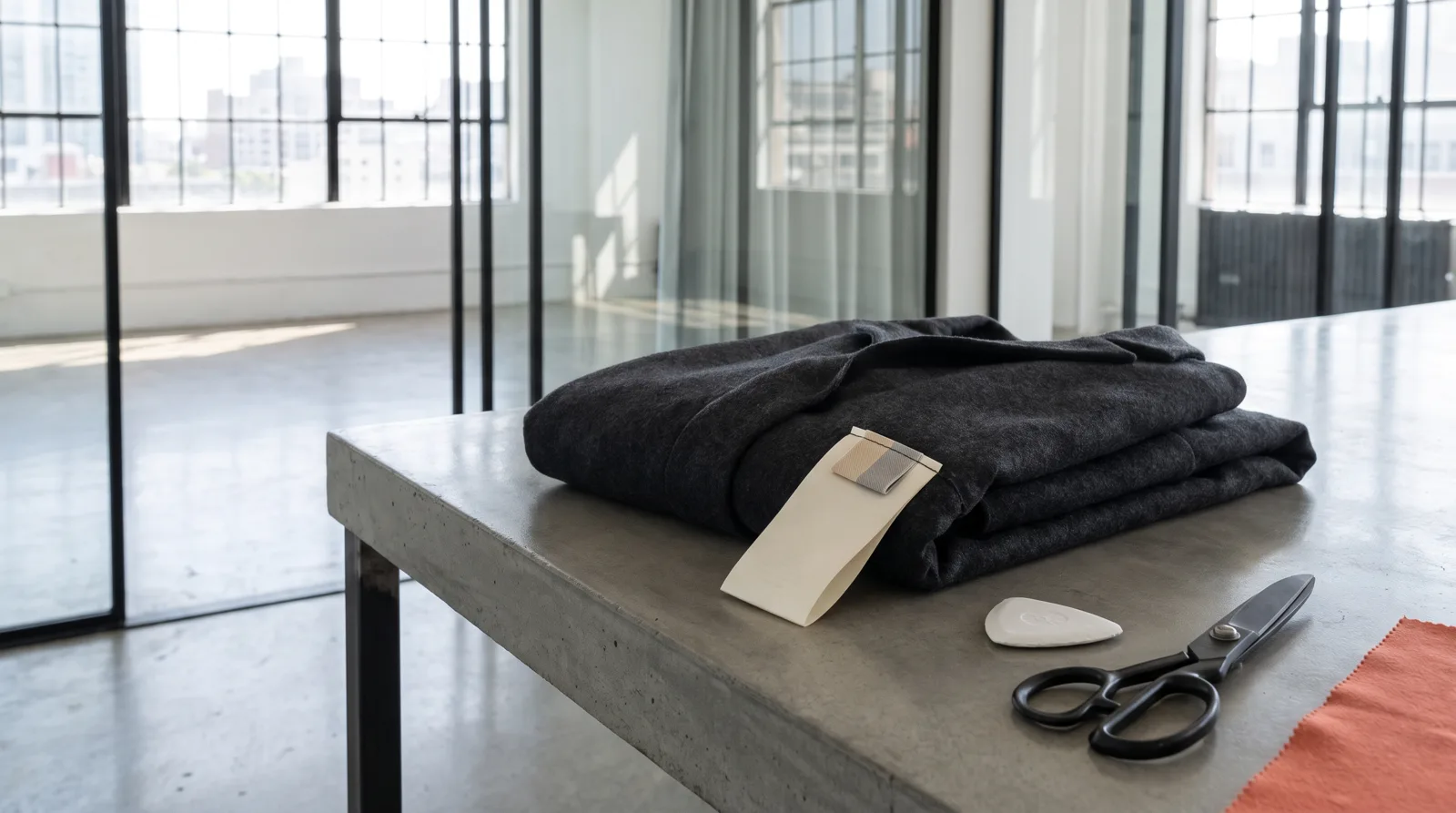
«Made in» sounds like a simple phrase. It is really a declaration of origin, and a garment's origin is not where it was sold, nor where the shipment left from. Where a product passes through is one thing; where it is born is another.
Origin is not provenance
The basic test comes from the Union Customs Code, article 60. If a product is wholly obtained in one country, it belongs to that country. If several countries take part, origin is where the last substantial, economically justified transformation took place, in a company equipped for it, resulting in a new product or an important stage of production.
The last substantial transformation
The word that carries the weight is «substantial». A finishing touch or a cosmetic step is not enough: what counts is the stage that truly transforms the product. For clothing, that means asking which step makes it that garment, and where it was done. The detailed rules for each product category go further, so the substance is checked case by case.
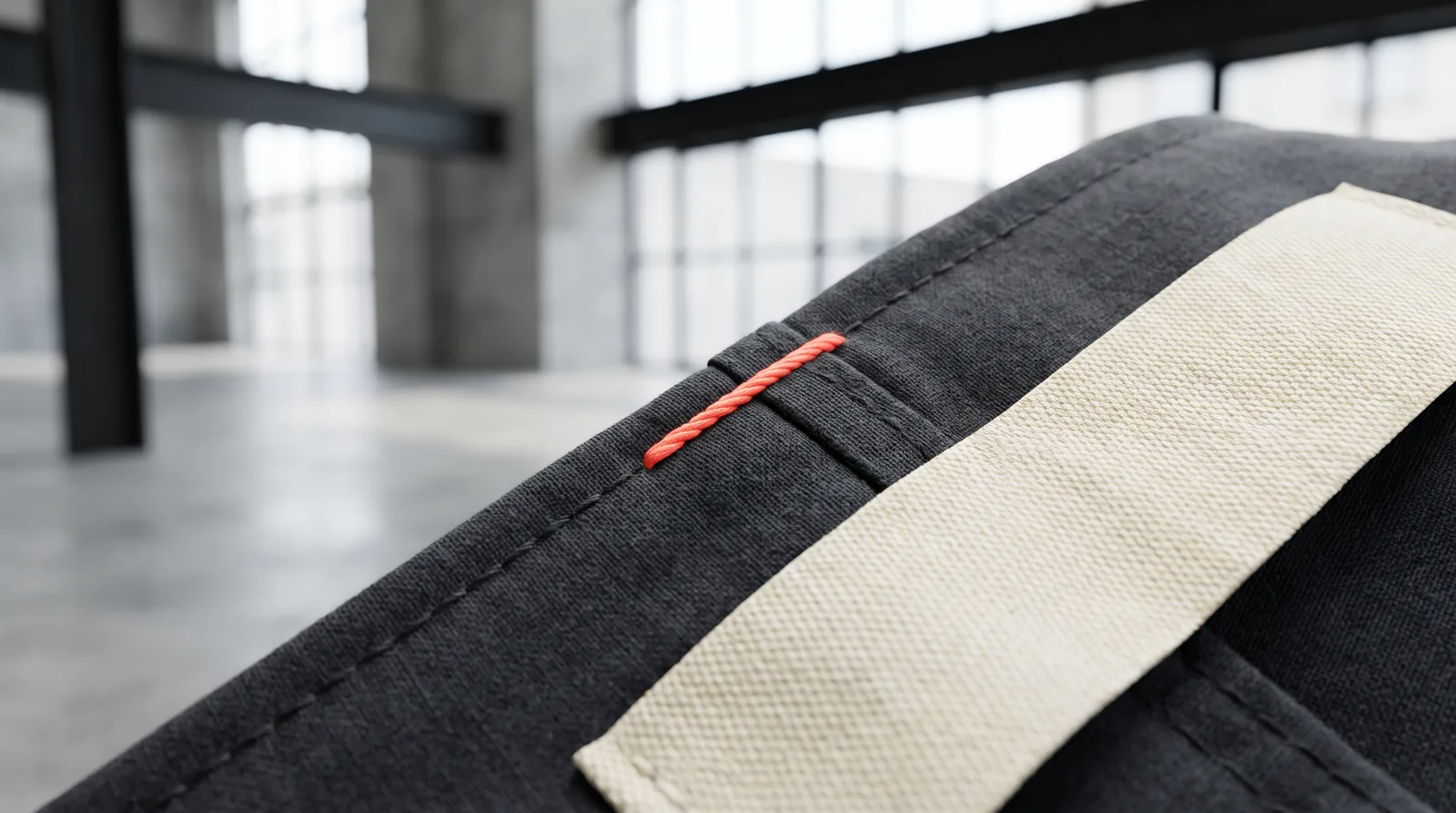
Under the label, the supply chain
A label is the last link of a chain that starts much earlier: fibre, yarn, fabric, cutting, making-up, finishing. Each link can sit in a different place, and there is nothing scandalous in that: it is the normal state of a global industry. The point is that whoever declares «Made in Italy» can say precisely which stages happened here.
To spot the substance, the questions are simple. Where is the garment cut and sewn? Who is the manufacturer, and can they be named? Which stages are in-house and which are outsourced? A brand that works well answers plainly. One that dodges the questions has usually said enough.

The right questions
It is the logic we follow too: declare only what we can show, with the making entrusted to our group's own manufacturer, active since 1979.